
Mixing Prints and Patterns Like a Pro
In fashion, prints and patterns have the unique ability to express personality, confidence, and creativity. However, mixing them effectively can be challenging. Done thoughtfully, combining patterns transforms everyday outfits into dynamic, high-fashion ensembles. Mastering this skill requires understanding scale, color coordination, and the interplay between textures, allowing garments to complement rather than compete with one another.
The first principle in mixing patterns is considering scale. Pairing large, bold patterns with smaller, subtler ones creates visual balance. For example, a wide-striped garment can be complemented by a finely detailed geometric print, allowing both patterns to coexist harmoniously. Avoid pairing patterns of similar scale, as this can create a chaotic appearance. Thoughtful contrast in scale ensures that each piece contributes to a cohesive and intentional look.
Color coordination is equally essential. Choosing patterns with shared tones establishes harmony, even when the prints themselves are very different. Neutral shades act as a stabilizing base, making it easier to introduce more vibrant patterns. For instance, a muted floral pattern paired with a subtle checked garment in matching hues creates a sophisticated contrast. Understanding the color relationships between prints prevents visual discord and reinforces a polished, considered aesthetic.
Texture also plays a pivotal role in pattern mixing. Combining patterns with varied tactile qualities - such as a smooth, lightweight material alongside a structured, textured fabric - adds depth to an outfit. This layering of textures draws attention while keeping the look refined. Even subtle differences, such as a matte finish contrasted with a slightly lustrous one, can elevate simple patterns into an ensemble that feels intentional and high-fashion.
Starting with a statement piece is a helpful strategy for beginners. Selecting one bold print as the focal point of an outfit allows for easier integration of secondary patterns. For instance, a striking patterned top can be paired with a subtler patterned bottom or layered over a minimal garment with texture. Using one dominant element ensures the outfit feels cohesive, while secondary patterns complement and enhance rather than compete.
Mixing patterns also benefits from repetition and rhythm. Repeating colors or motifs across different garments creates continuity and flow. For example, a patterned top featuring a recurring hue can be matched with a complementary print that highlights the same color. This subtle echo ties the outfit together, making multiple patterns feel deliberate rather than overwhelming. Rhythm in pattern selection ensures each piece contributes to a harmonious ensemble.
Stripes and checks often serve as versatile foundational patterns. Their linear simplicity contrasts effectively with more intricate or organic designs, making them ideal for experimentation. Pairing a striped top with a floral skirt, for instance, creates a balanced dynamic that feels modern and intentional. Similarly, subtle polka dots or geometric shapes can act as bridging patterns, harmonizing bolder motifs while maintaining visual interest.
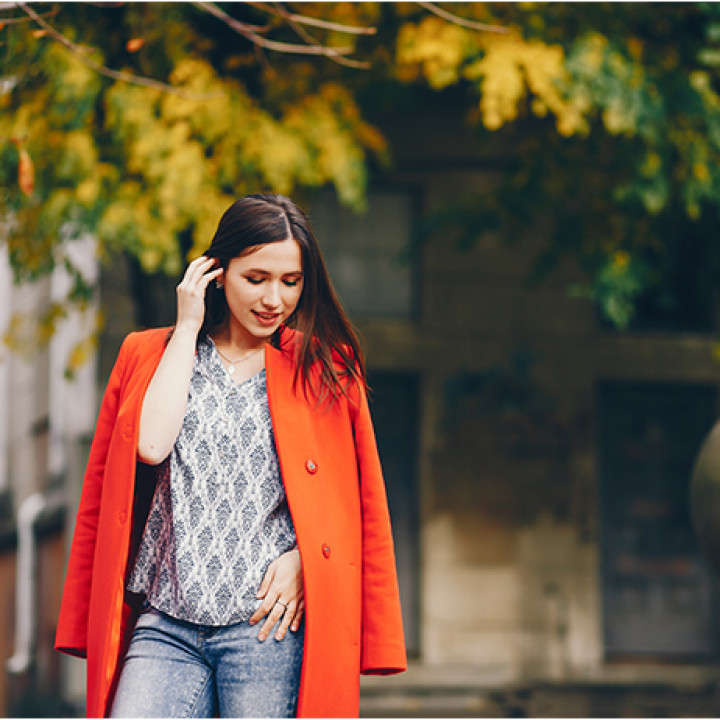
Layering patterns thoughtfully is another key technique. Strategic placement of prints can emphasize shape and proportion, highlighting areas of strength while maintaining elegance. For example, layering a patterned jacket over a contrasting patterned top allows both garments to shine without clashing. Consideration of proportion ensures patterns are distributed evenly across the silhouette, creating balance and visual cohesion.
Neutral garments remain an essential stabilizer when experimenting with patterns. Pairing a bold print with neutral pieces, such as a plain bottom or structured outer layer, allows the patterned elements to take center stage. Neutrals prevent outfits from appearing overly busy, providing breathing space while maintaining sophistication. Even in pattern mixing, simplicity in certain areas ensures the overall ensemble feels curated and intentional.
Confidence and poise amplify the success of pattern mixing. Wearing multiple patterns requires assurance in styling choices and attention to detail. How garments are carried - the way they drape, move, and interact - can make the difference between a bold statement and a discordant look. Fashion-forward ensembles rely on presentation as much as garment selection, ensuring that each pattern harmonizes within the overall outfit.
Ultimately, mastering pattern mixing is about understanding relationships between scale, color, texture, and proportion. Thoughtful selection and pairing transform simple prints into high-fashion ensembles that feel curated, polished, and expressive. By starting with a dominant pattern, introducing complementary prints, and balancing with neutrals and textures, fashion enthusiasts can confidently experiment while maintaining refinement.
When executed intentionally, mixing prints and patterns elevates daily dressing into an art form. Outfits feel dynamic, personalized, and visually compelling, showcasing creativity without compromising cohesion. Learning this skill allows a wardrobe to be versatile, expressive, and modern, proving that even complex styling can feel effortless and sophisticated with thoughtful guidance.